_edited.png)
Why Do Eyes Become Dry While Wearing Contact Lenses?
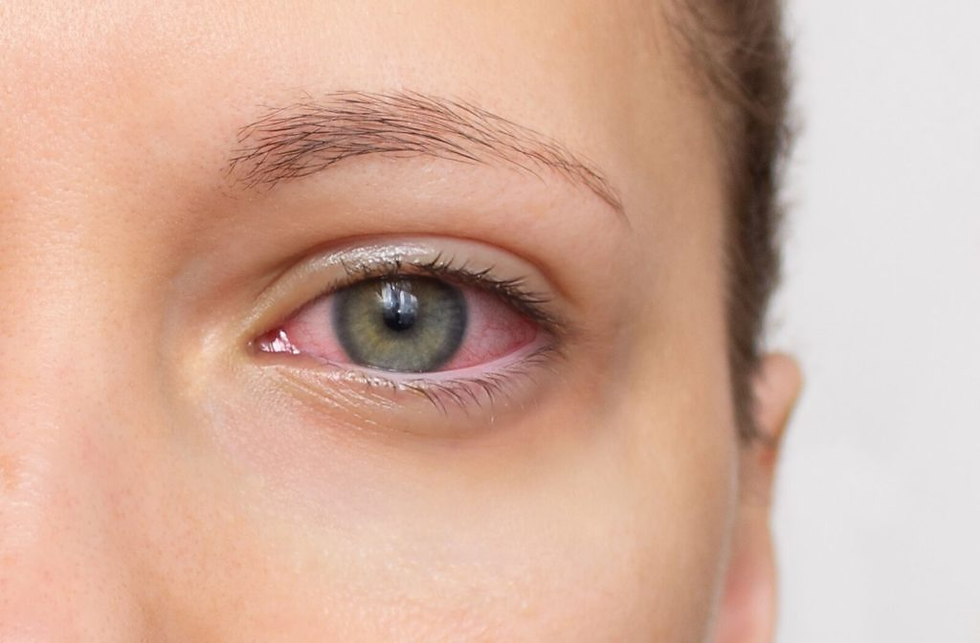
Contact lenses are one of the most popular vision correction options used by millions of people around the world. They provide convenience, clear vision, and freedom from glasses during work, sports, travel, and daily activities. However, despite their benefits, many people experience dryness and irritation while wearing contact lenses. Dry eyes can make lenses feel uncomfortable and may even force some people to stop wearing them for long hours
The problem of dry eyes while wearing contact lenses has become even more common in today’s digital lifestyle. Long screen time, air-conditioned environments, pollution, and poor blinking habits all contribute to eye discomfort. Understanding why eyes become dry while wearing contact lenses can help people protect their eye health and improve daily comfort
How Contact Lenses Affect Natural Eye Moisture
The eyes are naturally protected by a thin tear film that keeps the surface smooth, moist, and healthy. This tear layer helps provide clear vision and protects the eyes from dust, irritation, and infection. When contact lenses are placed on the eyes, they interact directly with this tear film Some contact lenses absorb moisture from the eye surface during wear. As a result, the natural balance of tears becomes disturbed, causing dryness and irritation. People who already have mild dry eye problems usually notice these symptoms more quickly because their eyes already produce limited tears
Why Screen Time Makes Dry Eyes Worse
Digital screens are one of the biggest reasons contact lens users experience dryness today. People spend hours using laptops, smartphones, and tablets for work, study, and entertainment. While focusing on screens, blinking automatically decreases Blinking is important because it spreads tears evenly across the eye surface. When blinking becomes less frequent, tears evaporate faster, leaving the eyes dry and tired. Contact lens wearers often notice burning, redness, or blurry vision after long hours of screen use because the lenses already reduce moisture levels in the eyes
Environmental Factors That Cause Dryness
The environment around us also affects eye moisture. Air conditioning, fans, smoke, dust, pollution, and windy weather can increase tear evaporation. Many office workers experience dry eyes because indoor air is usually dry and lacks humidity When the air around the eyes becomes dry, the tear film evaporates quickly, making contact lenses feel uncomfortable. This is why some people notice more dryness while traveling, sitting near fans, or staying in air-conditioned rooms for long periods
Wearing Contact Lenses for Long Hours
Many people wear their contact lenses longer than recommended, especially during busy schedules. Extended lens wear reduces oxygen flow to the cornea, which is the transparent front surface of the eye. The cornea needs oxygen to stay healthy and comfortable Wearing lenses continuously for long hours can lead to irritation, redness, and dryness. Sleeping while wearing contact lenses makes the problem even worse because oxygen supply decreases further during sleep. Over time, this can increase discomfort and raise the risk of eye infections.
Poor Contact Lens Hygiene and Eye Dryness
Proper lens hygiene plays a major role in eye comfort. Contact lenses collect protein deposits, oils, and dust particles throughout the day. If lenses are not cleaned properly, these deposits can irritate the eyes and worsen dryness Many people unknowingly make hygiene mistakes such as reusing old lens solution, touching lenses with unwashed hands, or wearing lenses beyond their replacement schedule. Dirty lenses not only increase dryness but can also lead to serious eye infections
How the Type of Contact Lens Matters
Not all contact lenses are the same. Some lens materials are designed to retain moisture better and allow more oxygen to reach the eyes. Older lens materials may cause more dryness because they restrict airflow to the cornea Modern silicone hydrogel lenses are usually more comfortable because they provide better oxygen transmission. Daily disposable lenses may also reduce dryness because users wear a fresh pair every day, preventing buildup of deposits and bacteria
Medical Conditions That Increase Dry Eyes
Certain medical conditions can increase dryness while wearing contact lenses. People with allergies, diabetes, thyroid disorders, or chronic dry eye syndrome are often more sensitive to contact lens discomfort Some medications can also reduce tear production.Antihistamines, antidepressants, acne medications, and blood pressure medicines may contribute to dry eye symptoms. If dryness suddenly becomes worse after starting a medication, it may be important to discuss it with a healthcare professional
Common Symptoms of Dry Eyes While Wearing Contact Lenses
Dry eyes can produce several uncomfortable symptoms during contact lens wear. The severity may vary from person to person depending on tear quality, environment, and lens type
Burning and Irritation
Many people experience a burning or stinging feeling after wearing lenses for several hours. This usually happens because the eye surface is not receiving enough moisture.
Redness in the Eyes
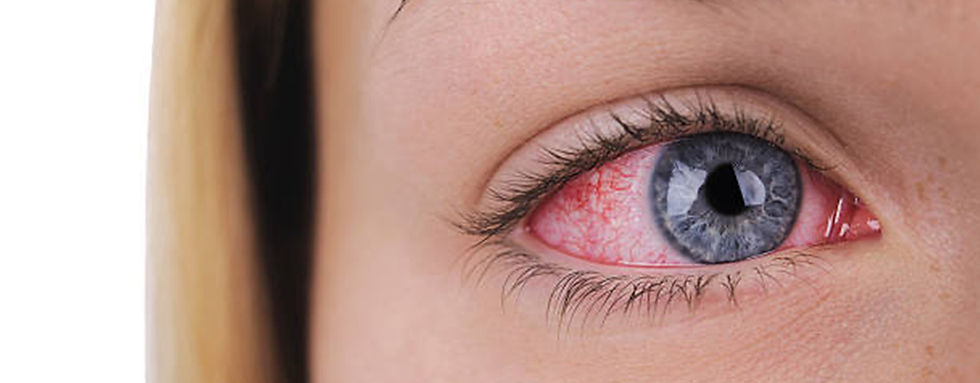
Dryness often causes redness because the eyes become irritated and inflamed.
Blurry Vision
A stable tear layer is necessary for clear vision. When tears evaporate, vision may become temporarily blurry until blinking restores moisture.
Feeling of Something in the Eye
Dry eyes can create a gritty or sandy sensation that makes it feel like dust or a foreign object is trapped inside the eye.
Watery Eyes
Sometimes dry eyes trigger excessive tearing as the eyes try to protect themselves from irritation.
How to Prevent Dry Eyes While Wearing Contact Lenses
Most people can improve comfort and reduce dryness with proper care and healthy habits.
Choose Contact Lenses Carefully
The right type of contact lens can make a major difference in comfort. Eye specialists often recommend silicone hydrogel or daily disposable lenses for people with dry eyes because these lenses allow better oxygen flow and stay cleaner
Use Lubricating Eye Drops
Artificial tears designed for contact lens users can help keep the eyes moist throughout the day. These eye drops refresh the eyes and reduce irritation during screen use or dry weather
Take Breaks During Screen Use
Long screen sessions strain the eyes and increase dryness. Following the 20-20-20 rule helps reduce eye fatigue. Every 20 minutes, look at something 20 feet away for at least 20 seconds Conscious blinking during screen use also helps spread tears evenly across the eyes
Stay Hydrated Throughout the Day
Drinking enough water supports healthy tear production. Dehydration can worsen dryness and make contact lenses feel uncomfortable faster.
Avoid Sleeping With Contact Lenses
Unless specifically approved by an eye specialist, contact lenses should always be removed before sleeping. Overnight wear increases dryness and infection risk.
Maintain Proper Lens Cleaning Habits
Cleaning lenses correctly and replacing them on time are essential for healthy eyes. Lens cases should also be cleaned regularly to prevent bacterial growth.
Foods That May Help Improve Eye Moisture
Nutrition can support overall eye health and tear quality. Omega-3 fatty acids may help improve eye lubrication and reduce dryness symptoms.
Foods beneficial for eye health include:
Fish
Walnuts
Flaxseeds
Chia seeds
Green leafy vegetables
A balanced diet helps support long-term eye comfort.
When to Visit an Eye Doctor
Mild dryness is common, but persistent discomfort should never be ignored. Professional eye evaluation is important if you experience severe redness, pain, swelling, blurry vision, or sensitivity to light An eye doctor can identify whether the dryness is caused by lens type, poor tear production, allergies, or an underlying eye condition. Sometimes switching to a different lens material or using specific treatments can greatly improve comfort
Conclusion
Dry eyes while wearing contact lenses are very common, especially in today’s world where screen time, air conditioning, and long working hours have become part of daily life. Contact lenses can disturb the natural tear film, absorb moisture, and increase tear evaporation, leading to irritation and discomfort Factors such as poor blinking habits, long hours of lens wear, environmental conditions, dehydration, and improper lens hygiene can all contribute to dryness. Fortunately, most people can manage these symptoms successfully through proper lens care, hydration, healthy screen habits, and regular eye checkups Understanding the causes of dry eyes is important for maintaining comfortable vision and protecting long-term eye health. With the right precautions and professional guidance, contact lens users can continue enjoying clear and comfortable vision throughout the day
If you want to know more details contact us:+91 9625903017

Comments