_edited.png)
What Do You Need to Know About Eye Redness?
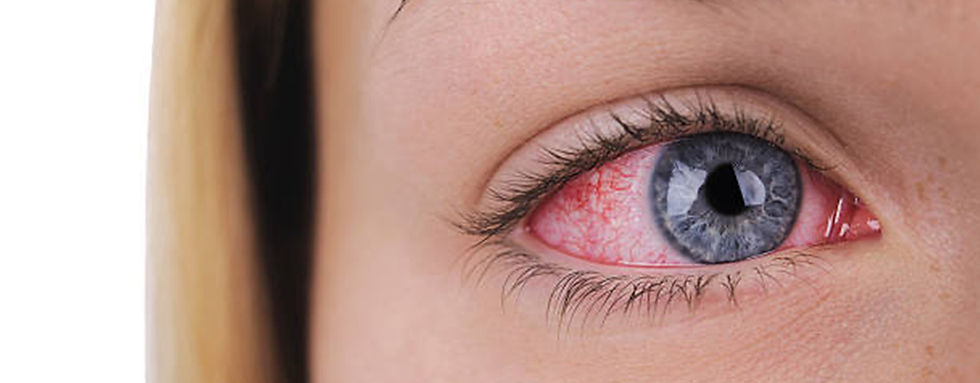
Eye redness is one of the most common eye problems experienced by people of all ages. Whether it happens after long hours on a mobile phone, lack of sleep, allergies, or exposure to dust and pollution, red eyes can affect daily comfort and vision quality. In many cases, the condition is temporary and harmless, but sometimes it may indicate a more serious eye problem that should not be ignored the white part of the eye contains tiny blood vessels that can swell or become irritated due to different reasons. When these blood vessels expand, the eyes appear red or bloodshot. Some people may also experience itching, burning, watering, dryness, or discomfort along with redness Understanding the causes, symptoms, treatment, and prevention of eye redness is important for maintaining healthy vision. This guide explains everything you need to know about eye redness in a simple and engaging way
What Is Eye Redness?
Eye redness occurs when the blood vessels on the surface of the eye become enlarged or inflamed. The redness may affect one eye or both eyes and can vary from mild irritation to severe bloodshot appearance Sometimes eye redness develops suddenly, while in other cases it appears gradually. The condition may last for a few hours or continue for several days depending on the underlying cause In most situations, red eyes are caused by irritation, tiredness, or dryness. However, persistent redness combined with pain or blurred vision may require immediate medical attention
Common Causes of Eye Redness
There are many reasons why eyes become red. Some causes are minor and temporary, while others may require professional treatment
Eye Allergies
Allergies are among the most common reasons for red eyes. Dust, pollen, smoke, pollution, and pet hair can irritate the eyes and trigger allergic reactions. People with eye allergies often experience itching, watering, and irritation along with redness Seasonal allergies are especially common during weather changes and high pollution periods
Dry Eyes
Tears help keep the eyes moist and comfortable. When tear production decreases or tears evaporate too quickly, the eyes become dry and irritated. This often leads to redness and discomfort Dry eyes are commonly linked to excessive screen use, aging, air conditioning, dehydration, and lack of sleep
Digital Eye Strain
Modern lifestyles involve long hours of screen exposure through smartphones, laptops, and televisions. Continuous use of digital devices reduces blinking, causing the eyes to dry out and become red People who spend several hours on screens may also experience headaches, tired eyes, and blurred vision.
Conjunctivitis
Conjunctivitis, commonly known as pink eye, is an infection or inflammation of the outer layer of the eye. It may be caused by bacteria, viruses, or allergies the condition usually causes severe redness, sticky discharge, swelling, and irritation. Some forms of conjunctivitis can spread easily from one person to another
Lack of Sleep
Sleep is essential for eye recovery and lubrication. Inadequate sleep may make the eyes dry, strained, and bloodshot. Poor sleep habits also increase eye fatigue and discomfort
Contact Lens Irritation
Improper use of contact lenses can irritate the eyes and increase the risk of redness and infection. Wearing lenses for long periods or failing to clean them properly may lead to serious eye problems
Environmental Irritation
Exposure to smoke, dust, strong sunlight, chemicals, and polluted air can irritate sensitive eyes. Swimming pool chlorine and dry weather may also trigger redness
Symptoms Associated With Eye Redness
Eye redness may appear with several other symptoms depending on the cause. Some common symptoms include burning sensation, itching, watering, dryness, swelling, and sensitivity to light In mild cases, symptoms improve on their own. However, certain warning signs should never be ignored Important symptoms that require immediate medical attention include severe pain, blurred vision, heavy discharge, swelling around the eyes, or redness lasting for several days
Can Eye Redness Be Dangerous?
Not every case of eye redness is serious, but persistent or painful redness may indicate an underlying eye disease. Conditions such as glaucoma, corneal infections, or inflammation inside the eye can cause severe redness and vision problems Ignoring these conditions may lead to long-term complications. This is why proper diagnosis is important when symptoms continue or worsen
How Eye Redness Is Diagnosed
An eye specialist examines the eyes carefully to determine the exact cause of redness. The doctor may ask questions related to symptoms, allergies, screen usage, sleep habits, or contact lens use During the examination, the eye doctor checks the condition of the blood vessels, tear production, eye pressure, and signs of infection or inflammation In some cases, additional tests may be required to identify serious eye conditions
Treatment Options for Eye Redness
The treatment for red eyes depends on the underlying cause. Mild irritation may improve with simple lifestyle changes, while infections or medical conditions may require prescription treatment artificial tears are commonly used to relieve dryness and irritation. Lubricating eye drops help restore moisture and comfort to the eyes For allergy-related redness antihistamine eye drops or allergy medications may be recommended. Bacterial infections often require antibiotic eye drops prescribed by an eye specialist Cold compresses can also help reduce swelling and soothe irritated eyes. Resting the eyes and reducing screen exposure are equally important during recovery People who use contact lenses should avoid wearing them until the redness completely improves
Home Care Tips for Red Eyes
Simple daily habits can help reduce mild eye redness and prevent irritation from worsening.
The 20-20-20 rule is highly effective for people who spend long hours on screens. Every 20 minutes, look at something 20 feet away for at least 20 seconds to relax the eye muscles
Staying hydrated is also important because dehydration may contribute to dry eyes Drinking enough water supports healthy tear production Avoid rubbing your eyes, even if they feel itchy. Rubbing can increase irritation and spread infection Wearing sunglasses outdoors protects the eyes from UV rays, dust, and pollution, especially during summer
How to Prevent Eye Redness
Preventing eye redness mainly involves maintaining healthy eye habits and protecting the eyes from strain and irritation Limiting unnecessary screen time can greatly reduce digital eye strain. Taking regular breaks while working on computers is equally important
Maintaining proper hygiene also helps prevent infections. Always wash your hands before touching your eyes or contact lenses Good sleep is essential for eye health. Adults should aim for adequate rest every night to allow the eyes to recover properly Regular eye checkups are another important step in preventing serious eye problems. Early detection helps protect vision and prevents complications
When Should You Visit an Eye Doctor?
Many cases of eye redness improve naturally within a short time. However, you should consult an eye specialist if the redness persists or is accompanied by unusual symptoms
Seek medical help immediately if you experience severe eye pain, blurred vision, sensitivity to light, swelling, or thick discharge from the eyes People with recurring eye redness should also undergo professional eye examinations to identify the underlying cause
Conclusion
Eye redness is a common condition that can occur due to allergies, dryness, infections, digital eye strain, lack of sleep, or environmental irritation. While mild redness is often temporary, persistent symptoms should never be ignored healthy lifestyle habits, proper eye care, regular sleep, and reduced screen exposure can help maintain comfortable and healthy eyes. Most importantly, early diagnosis and timely treatment are essential for protecting your vision and preventing complications taking care of your eyes today can help ensure better vision and eye comfort for the future
If you want to know more details contact us:+91 9625903017


Comments