
Flashes of Light in the Eyes: When Should You Worry?

Flashes of Light in the Eyes: When Should You Worry? Have you ever noticed sudden flashes of light in your eyes, even when there is no bright light around you? These flashes may look like lightning streaks, camera flashes, flickering lights, or brief sparks at the edge of your vision. While occasional flashes can sometimes occur due to harmless changes in the eye, flashes of light in the eyes can also be a warning sign of a serious retinal problem that requires immediate medical attention Many people ignore these symptoms, assuming they are caused by tiredness, screen time, or a lack of sleep. However, sudden or repeated flashes of light should never be overlooked, especially when they are accompanied by new floaters, blurred vision, or a shadow in the field of vision Understanding the possible causes of eye flashes and knowing when to seek professional help can protect your eyesight In this blog, we will explain why flashes of light occur, which symptoms require urgent attention, and when you should consult an eye specialist.
What Are Flashes of Light in the Eyes?
Flashes of light, medically known as photopsia, are sensations of light that appear without an actual external light source. People may describe them as lightning bolts, tiny sparks, shimmering lights, or brief flashes at the sides of their vision These flashes may last for a fraction of a second or continue intermittently over a longer period. They can occur in one eye or both eyes, depending on the underlying cause Flashes often occur when the retina, the light-sensitive tissue at the back of the eye, is stimulated mechanically or affected by another condition. They may also be associated with migraine-related visual disturbances or other neurological causes Although not every episode indicates a serious problem, new-onset flashes of light need prompt evaluation by an eye specialist, particularly if they occur suddenly or are becoming more frequent
What Causes Flashes of Light in the Eyes?
Several conditions can cause flashes of light. Identifying the underlying cause is important because some conditions require urgent treatment.
1. Posterior Vitreous Detachment (PVD)
The inside of the eye contains a clear, gel-like substance called the vitreous. As people age, this gel gradually changes in consistency and may separate from the retina. This process is known as posterior vitreous detachment, or PVD When the vitreous pulls away from the retina, it can stimulate the retinal tissue and produce flashes of light. People may also notice floaters, which appear as small spots, cobwebs, or thread-like shapes drifting across their vision PVD is common with increasing age and does not always cause permanent vision problems. However, the pulling force can sometimes create a retinal tear. Therefore, new flashes and floaters should be assessed promptly to rule out retinal damage
2. Retinal Tear
A retinal tear occurs when the retina develops a break, often because of traction from the vitreous gel. This may cause sudden flashes of light, new floaters, or a sudden increase in the number of spots in your vision A retinal tear is particularly concerning because fluid can pass through the tear and accumulate beneath the retina, potentially leading to retinal detachment Early diagnosis and appropriate treatment can help prevent the condition from progressing. If you experience sudden flashes accompanied by new floaters, arrange an urgent dilated retinal examination
3. Retinal Detachment
Retinal detachment is a serious eye condition in which the retina separates from the underlying tissue that supplies it with oxygen and nutrients. Without timely treatment, it can cause permanent vision loss Warning signs may include sudden flashes of light, a sudden increase in floaters, blurred vision, or a dark shadow resembling a curtain moving across your visual field Retinal detachment is a medical emergency. If you notice these symptoms, seek immediate eye care rather than waiting for them to disappear
4. Ocular Migraine and Migraine Aura
Migraine can cause visual disturbances, including shimmering zigzag lines, sparkling lights, flickering patterns, or blind spots. These symptoms are often called migraine aura and may occur before or during a headache A typical migraine aura usually develops gradually and may last around 5 to 60 minutes. Visual aura often affects corresponding parts of the visual field of both eyes, even if it seems more noticeable on one side However, new visual symptoms should not automatically be attributed to migraine. Sudden visual loss, persistent symptoms, or symptoms that differ from your usual migraine pattern require urgent medical assessment
5. Eye Injury or Trauma
A blow to the head or eye can damage internal eye structures and trigger flashes of light. Blunt trauma may also cause bleeding, retinal tears, or retinal detachment If flashes begin after an eye injury, do not ignore them, even if you do not experience significant pain. Seek urgent medical evaluation, especially if you notice blurred vision, floaters, or reduced eyesight
6. Age-Related Changes in the Eye
Age-related changes in the vitreous can increase the likelihood of flashes, floaters, and posterior vitreous detachment. These changes are particularly common in middle-aged and older adults People with high myopia, a previous retinal tear or detachment, or a family history of retinal detachment may have a higher risk of retinal complications. Previous eye surgery can also affect risk Age-related changes are not always dangerous, but a new episode of flashes still deserves appropriate examination
When Should You Worry About Flashes of Light in Your Eyes?
The most important factor is not simply how bright the flashes appear, but whether they are new, sudden, persistent, or associated with other symptoms.
Seek immediate eye care if you experience any of the following:
Sudden flashes of light, particularly when they are new or recurring.
A sudden increase in floaters or the appearance of many new spots.
A dark curtain, shadow, or missing area in your field of vision.
Sudden blurred vision or reduced eyesight.
Flashes following an injury to the eye or head.
New flashes accompanied by significant visual changes.
These symptoms may indicate a retinal tear, retinal detachment, or another serious condition. Do not wait for pain to develop because retinal problems can occur without pain.
If you experience sudden vision loss, a curtain-like shadow, or a major change in vision, seek emergency eye care immediately.
Are Flashes of Light in One Eye More Serious?
Flashes occurring in one eye can be associated with changes in the vitreous, retinal traction, or a retinal tear. New flashes in a single eye should therefore be assessed urgently, particularly if floaters appear at the same time Migraine aura, on the other hand, often affects the visual field of both eyes, although people sometimes perceive it as coming from one eye If you are unsure whether the symptoms affect one eye or both, do not delay seeking medical help to test this yourself. A comprehensive eye examination can help identify the cause
How Are Flashes of Light Diagnosed?
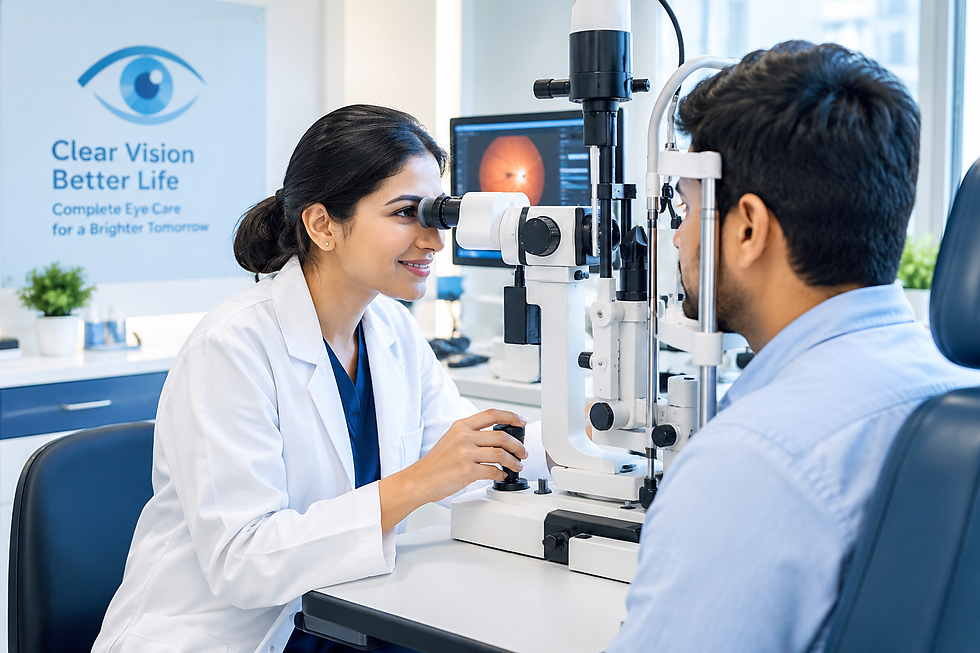
An eye specialist will ask about when the flashes started, how frequently they occur, whether they affect one or both eyes, and whether you have additional symptoms such as floaters or blurred vision A dilated retinal examination is often the most important investigation when retinal damage is suspected. Eye drops are used to widen the pupils so the doctor can examine the retina and look for tears, bleeding, or detachment Depending on the findings, additional tests may be recommended. These can include retinal imaging, optical coherence tomography (OCT), or ocular ultrasound when the retina cannot be clearly visualised The exact tests depend on your symptoms and examination findings. Prompt diagnosis is essential because the appropriate treatment varies according to the underlying cause
What Is the Treatment for Flashes of Light in the Eyes?
Treatment depends on what is causing the flashes. There is no single treatment that works for every case.
Treatment for Posterior Vitreous Detachment
If the vitreous has separated from the retina without causing a tear or other complication, treatment may not be necessary. Your eye specialist may recommend follow-up examinations to monitor the retina However, any new or worsening flashes or floaters should be reported immediately because complications can develop
Treatment for a Retinal Tear
A retinal tear may be treated using laser photocoagulation or cryotherapy. These procedures Create a seal around the tear to reduce the risk of fluid passing underneath the retina Early treatment is important, although the choice of procedure depends on the location and characteristics of the tear
Treatment for Retinal Detachment
Retinal detachment usually requires urgent specialist treatment. Depending on the severity and type, treatment may involve pneumatic retinopexy, scleral buckling, or vitrectomy surgery The sooner retinal detachment is diagnosed and treated, the better the opportunity to preserve vision. Visual recovery varies depending on the extent of detachment and whether the macula, which provides central vision, is affected
Treatment for Migraine-Related Visual Disturbances
If flashes are confirmed to be part of a migraine aura, management may involve identifying triggers and treating associated migraine symptoms. Your doctor may recommend appropriate medication or other preventive strategies when necessary However, retinal and neurological emergencies must be considered before assuming that new flashes are migraine-related
Can Stress, Lack of Sleep, or Screen Time Cause Flashes of Light?
Stress, inadequate sleep, and certain lifestyle factors may contribute to migraine episodes in susceptible individuals. Prolonged screen use can also cause digital eye strain, dryness, and discomfort However, screen-related eye strain should not be assumed to be the cause of sudden flashes of light. New flashes may indicate a problem involving the retina or vitreous and require medical assessment If flashes occur repeatedly, begin suddenly, or are accompanied by floaters or changes in vision, consult an eye specialist instead of relying on rest or reducing screen time alone.
Can Flashes of Light in the Eyes Be Prevented?
Not all causes of flashes can be prevented, particularly age-related changes in the vitreous. Nevertheless, protecting your eyes and recognising warning signs can help reduce the risk of delayed diagnosis Wear appropriate protective eyewear during sports or activities that may cause eye injuries. Manage conditions such as diabetes with professional medical guidance, and attend recommended eye examinations if you have high myopia or a history of retinal problems If you have previously experienced a retinal tear or detachment, follow your eye specialist's advice regarding monitoring and follow-up visits Most importantly, never ignore sudden flashes, a sudden increase in floaters, or a curtain-like shadow in your vision
Frequently Asked Questions (FAQs)
1. Are flashes of light in the eyes dangerous?
Sometimes. Flashes may result from age-related vitreous changes or migraine aura, but they can also indicate a retinal tear or detachment. New flashes should be evaluated promptly, especially when accompanied by floaters or visual changes
2. Why do I see flashes of light in one eye at night?
Flashes may occur when changes in the vitreous stimulate the retina. They can be more noticeable in darkness, but the time of day does not establish whether they are harmless. Sudden or new flashes require prompt eye assessment
3. Can flashes of light go away on their own?
Some flashes become less noticeable over time, particularly when associated with uncomplicated vitreous changes. However, improvement in symptoms does not reliably rule out a retinal tear. A medical examination is important when flashes first appear
4. How long do flashes of light last?
Retinal-related flashes may last a fraction of a second and recur intermittently. Migraine aura often develops gradually and lasts around 5 to 60 minutes. Duration alone cannot determine the cause
5. When should I visit an eye hospital for flashes of light?
Seek urgent eye care for new or sudden flashes, particularly if you also notice new floaters, blurred vision, or a shadow in your vision. A curtain-like shadow or sudden loss of vision requires immediate emergency evaluation
Conclusion
Flashes of light in the eyes may sometimes be associated with normal age-related changes or migraine, but they can also signal a serious retinal condition. The key is to recognise warning signs and seek timely medical attention If you notice sudden flashes, new floaters, a dark curtain across your vision, or a sudden reduction in eyesight, do not ignore these symptoms. Early diagnosis of retinal tears and retinal detachment can make a significant difference in protecting your vision
If you want to know more details contact us:+91 96 25 903017


Comments