
How to Choose the Best Eye Hospital in Delhi NCR: A Complete Guide
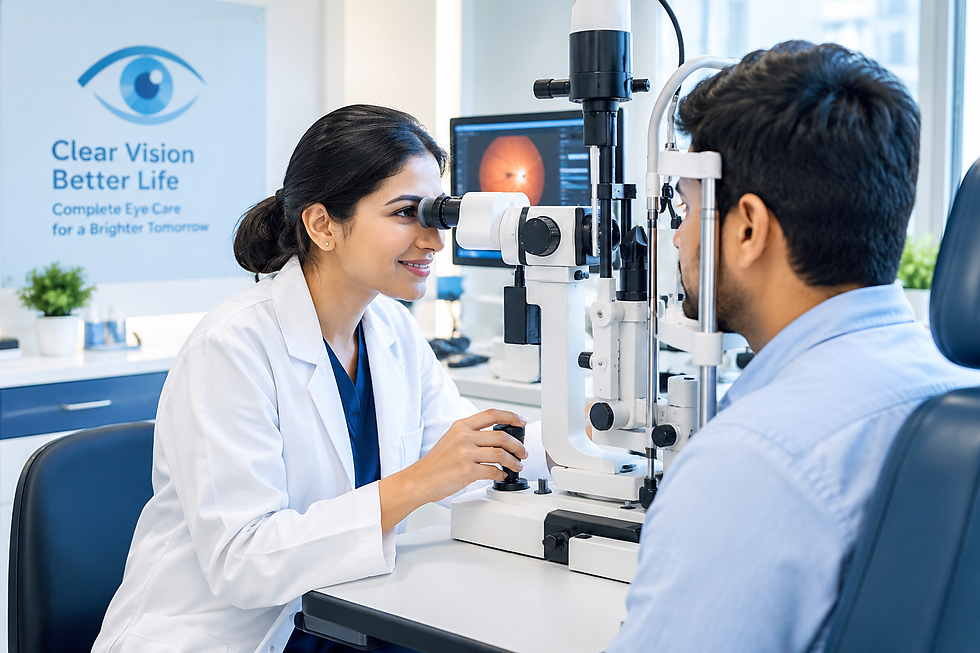
Your eyes are one of the most valuable parts of your body, helping you experience the world with clarity and confidence. However, when you experience blurry vision, eye pain, redness, cataracts, glaucoma, or other vision-related problems, choosing the right eye hospital becomes an important decision. With so many eye hospitals and eye care centres across Delhi NCR, finding a facility that offers reliable treatment, experienced eye specialists, and modern technology can feel overwhelming Whether you are looking for a routine eye check-up, cataract surgery, LASIK, glaucoma treatment, retina care, or specialised eye treatment for your child, the right hospital can make a significant difference in your overall experience But how do you identify the best eye hospital in Delhi NCR? Should you focus on the doctor's experience, advanced equipment, treatment costs, patient reviews, or hospital facilities The answer is to evaluate all these factors together rather than making a decision based only on advertisements or discounted treatment packages In this guide, we will explain how to choose the best eye hospital in Delhi NCR, what to check before booking an appointment, and how to make a confident, informed decision for your eye health
Why Choosing the Right Eye Hospital Matters
Eye care is not limited to checking your eyesight or getting a new pair of spectacles. Many eye conditions develop gradually and may not cause noticeable symptoms during their early stages. Conditions such as glaucoma and diabetic retinopathy can damage vision before a person realises that something is wrong A reliable eye hospital should be able to identify eye problems accurately, explain available treatment options, and provide appropriate follow-up care. For patients who require surgery, the hospital's clinical standards, the surgeon's experience, and proper postoperative monitoring are particularly important Choosing the right facility also helps you understand the benefits, risks, expected outcomes, and costs associated with a procedure. This is especially important for treatments such as cataract surgery, LASIK, SMILE, and other vision correction procedures For residents of Delhi, Noida, Gurugram, Faridabad, and Ghaziabad, selecting a conveniently located hospital with the appropriate specialist services can also make regular appointments and follow-up visits easier
1. Check the Qualifications and Experience of Eye Specialists
One of the most important factors when choosing the best eye hospital in Delhi NCR is the qualifications and experience of its ophthalmologists An ophthalmologist is a medically qualified eye specialist who can diagnose eye diseases, prescribe treatment, and perform eye surgery. Different ophthalmologists may specialise in different areas, so it is important to select a doctor whose expertise matches your condition For example, a patient with cataracts may need a cataract surgeon, while someone experiencing retinal problems may require a retina specialist. Patients with glaucoma, corneal conditions, or childhood vision problems may benefit from consulting specialists in those respective fields Before booking an appointment, check the doctor's educational qualifications, relevant specialist training, professional registration, and experience with the procedure or condition you need help with.
Do not assume that a doctor who performs one type of eye surgery will necessarily specialise in every other procedure. Ask questions about the available treatment options and whether the recommended approach is suitable for your individual eye health A good eye specialist should also explain your diagnosis in simple language, discuss potential risks, and give you enough information to make an informed decision
2. Look for Comprehensive Eye Care Services
The best eye hospital in Delhi NCR should offer the services you need and, where possible, coordinate care across different eye specialties. This can reduce the inconvenience of visiting multiple facilities for examinations, investigations, surgery, and follow-up appointments Before selecting a hospital, check whether it provides comprehensive eye examinations, cataract treatment, refractive surgery, glaucoma management, retina care, cornea treatment, and paediatric ophthalmology, depending on your requirements For example, an older adult experiencing cloudy vision may need an evaluation for cataracts. A person with diabetes may require a retinal examination even if their eyesight appears normal. A child who frequently squints, tilts their head while reading, or struggles to see the classroom board may need a specialised paediatric eye assessment A hospital offering appropriate diagnostic and specialist services can help patients receive a more coordinated treatment plan. However, remember that not every patient needs a multispecialty hospital. The important consideration is whether the facility has the expertise and resources required for your particular condition
3. Check the Diagnostic Equipment and Medical Technology
Modern diagnostic equipment can help ophthalmologists examine different parts of the eye and identify conditions that may not be apparent during a basic vision test
When comparing eye hospitals in Delhi NCR, ask whether the hospital has the diagnostic facilities appropriate for your treatment. These may include slit-lamp examination, eye pressure measurement, retinal imaging, optical coherence tomography (OCT), corneal topography, and biometry for cataract surgery planning The equipment required depends on the patient's symptoms and diagnosis. For example, OCT may help evaluate retinal conditions and the optic nerve, while corneal mapping can be important when assessing suitability for certain refractive surgeries If you are considering cataract surgery, ask how the hospital measures the eye and calculates the appropriate intraocular lens power. If you are considering LASIK or SMILE, ask about the preoperative assessment and how the surgeon determines whether the procedure is suitable for your eyes Remember that advanced machines alone do not guarantee better results. Proper interpretation of test results, the surgeon's judgement, infection-control practices, and appropriate patient selection are equally important. The National Accreditation Board for Hospitals & Healthcare Providers (NABH) identifies patient safety, infection control, patient rights, and continuity of care as important elements of eye care quality
4. Understand the Treatment Options Before Making a Decision
A trustworthy eye hospital should explain your diagnosis and discuss suitable treatment options before recommending a procedure For instance, not every patient with cataracts needs immediate surgery. The decision depends on the effect of the cataract on vision, daily activities, clinical findings, and the ophthalmologist's assessment Similarly, LASIK is not suitable for everyone who wants to stop wearing spectacles. Corneal thickness, prescription stability, eye health, and other clinical factors can influence eligibility. Some patients may be better suited to alternative procedures, while others may need to continue using spectacles or contact lenses During your consultation, ask the doctor to explain the benefits, limitations, possible complications, expected recovery, and alternatives to the proposed treatment Be cautious if you feel pressured to undergo surgery immediately without an adequate examination or a clear explanation. A responsible eye specialist should respect your right to ask questions and seek a second opinion The goal is not simply to find a hospital that offers the latest procedure. It is to find one that recommends the right treatment for your individual needs
5. Compare Eye Surgery Costs and Treatment Packages
Treatment cost is an important consideration when choosing an eye hospital in Delhi NCR. Prices can vary depending on the procedure, technology used, surgeon's fees, type of lens, investigations, and postoperative care For cataract surgery, for example, the total cost may depend on the surgical technique and the intraocular lens selected. LASIK and other refractive procedures may have different pricing structures depending on the technology and the patient's eligibility Instead of comparing only the advertised price, request a detailed estimate that explains what is included in the package Check whether the quoted amount covers the initial consultation, diagnostic investigations, surgeon's fees, operation theatre charges, medicines, follow-up visits, and any other applicable expenses. Ask about possible additional charges and the hospital's policy if further treatment becomes necessary Some hospitals may offer discounts, insurance assistance, or no-cost EMI options on eligible services. Confirm the terms directly with the hospital and the relevant financial or insurance provider before making a decision A low-cost treatment is not automatically inferior, just as an expensive procedure is not automatically better. Choose a hospital that provides transparent pricing and clinically appropriate care within your budget
6. Read Patient Reviews and Hospital Ratings Carefully
Online reviews can help you understand other patients' experiences with an eye hospital. Before booking an appointment, check Google reviews and other credible patient feedback platforms Pay attention to comments about the doctor's communication, examination process, cleanliness, waiting time, billing transparency, staff behaviour, and postoperative support Look for recurring patterns across multiple reviews rather than relying on one particularly positive or negative comment. A large number of reviews may provide useful context, but ratings alone cannot establish the quality of medical treatment or predict your individual outcome Be cautious about making decisions based solely on promotional testimonials, dramatic success claims, or advertisements promising guaranteed vision correction It is also useful to ask family members or friends about their experiences, especially if they have undergone a similar procedure. However, remember that the most suitable treatment for one person may not be suitable for another The best approach is to use patient reviews as one part of your decision-making process alongside professional qualifications, hospital facilities, treatment transparency, and the quality of your own consultation.
7. Check Hygiene, Safety Standards, and Accreditation
Cleanliness and patient safety should be essential considerations when selecting an eye hospital. Eye surgery requires appropriate sterilisation procedures, infection-control practices, trained staff, and suitable clinical facilities During your visit, observe whether the examination areas are clean, staff members follow appropriate hygiene practices, and the hospital explains its procedures clearly you can also check whether the hospital has NABH accreditation or other applicable recognised quality credentials. Verify the current status and scope of any accreditation rather than relying only on a logo displayed in an advertisement NABH's eye care accreditation programme covers areas such as patient rights, infection control, clinical care, medication management, and continuity of care NABH Ask how the hospital handles complications, urgent postoperative concerns, and referrals when additional specialist care is needed A responsible facility should explain the possible risks of a procedure and provide clear instructions about what to do if symptoms develop after treatment
8. Evaluate the Quality of Patient Care and Communication
Medical expertise is essential, but the way a hospital communicates with patients also matters An eye examination can sometimes feel confusing, particularly when a patient is diagnosed with glaucoma, cataracts, retinal disease, or another condition requiring long-term monitoring A patient-focused hospital should explain test results, answer questions patiently, and help you understand the next steps. You should know why a test is recommended, what the diagnosis means, and which treatment options are available Before agreeing to surgery, make sure you understand the expected benefits, possible risks, recovery period, and follow-up schedule The hospital should also provide clear instructions regarding prescribed eye drops, activity restrictions, and postoperative appointments when applicable If you are arranging treatment for an elderly parent or a child, consider whether the staff can communicate effectively with both the patient and their caregiver Good communication builds trust and helps patients participate more confidently in decisions about their eye health
9. Choose a Convenient Location for Regular Follow-Up
Delhi NCR covers a large geographical area, including Delhi, Noida, Gurugram, Faridabad, and Ghaziabad. Travel time and accessibility can therefore influence your choice of eye hospital A conveniently located facility may make it easier to attend repeated consultations, diagnostic appointments, and postoperative check-ups This is particularly relevant for older adults, patients with limited mobility, people who need frequent monitoring, and those recovering from eye surgery Check the hospital's exact address, appointment availability, transport options, parking facilities, and accessibility before your visit. If you live far away, ask whether follow-up consultations can be scheduled efficiently and whether the hospital provides clear instructions for emergencies However, do not choose a hospital based on distance alone. If you have a complex eye condition, specialist expertise and the availability of appropriate treatment may be more important than proximity The ideal choice balances medical suitability, accessibility, and continuity of care
10. Ask These Questions Before Booking Your Eye Appointment
Before finalising your choice, prepare a few questions to help you assess whether the hospital meets your requirements.
Is the ophthalmologist experienced in treating my specific eye condition?
What examinations or diagnostic tests may be required?
What treatment options are available, and why is one recommended?
What are the possible risks, benefits, and alternatives?
What is the complete estimated cost of treatment?
Does the hospital offer postoperative follow-up and support?
Who should I contact if I experience a problem after treatment?
Can I obtain a copy of my test results and medical records?
The answers can help you compare hospitals more objectively. You should feel comfortable asking questions and taking time to understand your options, except when an eye emergency requires immediate assessment.
Why Consider Drishti Care Advanced Eye Hospital in Delhi NCR?
If you are looking for eye care in Delhi NCR, Drishti Care Advanced Eye Hospital is an option to explore for your eye health needs Located in Safdarjung Enclave, New Delhi, Drishti Care focuses on eye care and advanced eye treatment services. Patients considering a consultation can contact the hospital to enquire about available ophthalmology services, specialist appointments, diagnostic facilities, and treatment costs Whether you need a routine eye examination or are exploring options for cataract surgery, refractive surgery, or another eye condition, discuss your symptoms and medical history with a qualified ophthalmologist before deciding on a treatment plan Before booking, confirm the availability of the specific specialist or procedure you need, the applicable charges, and the follow-up arrangements Book your eye consultation with Drishti Care Advanced Eye Hospital
Conclusion: Make an Informed Choice for Your Eye Health
Choosing the best eye hospital in Delhi NCR requires more than comparing prices, advertisements, or online ratings. You should consider the ophthalmologist's qualifications, relevant experience, diagnostic facilities, treatment options, patient safety standards, transparent billing, and quality of follow-up care Whether you live in Delhi, Noida, Gurugram, Faridabad, or Ghaziabad, take the time to evaluate your options and choose a hospital equipped to address your particular eye care needs Do not ignore persistent blurry vision, frequent headaches associated with visual difficulties, eye discomfort, or other changes in your eyesight. Seek an appropriate eye examination, and remember that sudden vision loss, severe eye pain, or new flashes and floaters accompanied by a curtain-like shadow require urgent medical assessment Your eyesight deserves careful attention. By asking the right questions and prioritising qualified medical care, you can make a more confident decision about your eye health
If you want to know more details contact us:+91 96 25 903017


Comments