
Can Glaucoma Cause Permanent Blindness? Symptoms, Tests & Treatment

Glaucoma is one of the leading causes of irreversible blindness worldwide. What makes this eye disease particularly dangerous is that it often develops silently, without noticeable symptoms in its early stages. Many people continue their daily activities with apparently normal vision while gradual damage occurs to the optic nerve, the structure responsible for carrying visual information from the eyes to the brain Can glaucoma cause permanent blindness? Yes, glaucoma can cause permanent vision loss and blindness if it is not detected and treated in time However, early diagnosis, regular eye examinations, and appropriate treatment can help slow or prevent further damage and preserve useful vision for many years Understanding glaucoma, recognizing its warning signs, and knowing when to seek professional eye care can make a significant difference to your long-term vision In this guide, we will explain how glaucoma causes blindness, which symptoms you should watch for, what tests doctors use to diagnose it, and which treatment options are available.
What Is Glaucoma?
Glaucoma is a group of eye diseases that damage the optic nerve. This nerve transmits visual signals from the retina to the brain, allowing you to see clearly and recognize objects, faces, and your surroundings In many cases, glaucoma is associated with increased intraocular pressure (IOP), which is the pressure inside the eye. This pressure may increase when the fluid inside the eye, known as aqueous humour, does not drain properly However, glaucoma can also develop in people whose eye pressure falls within the normal range. This is known as normal-tension glaucoma The damage caused by glaucoma usually begins with the loss of peripheral vision, meaning the ability to see objects at the sides while looking straight ahead. As the disease progresses, the affected person may develop tunnel vision. In advanced cases, central vision can also be lost The most important fact to remember is that vision loss caused by glaucoma is generally irreversible. Treatment cannot restore optic nerve cells that have already been destroyed, but it can help protect the remaining vision by reducing the risk of further damage
Can Glaucoma Cause Permanent Blindness?
Yes. Glaucoma can cause permanent blindness, particularly when the condition remains undiagnosed or untreated for a long time The optic nerve contains nerve fibres that carry information from the eye to the brain. When glaucoma damages these fibres, the affected parts of the visual field may develop permanent blind spots. As more nerve fibres are lost, these blind spots can become larger and more widespread In the early stages, a person may not notice any difference in their eyesight. The brain can compensate for small areas of missing vision, making the disease difficult to recognize without specialized testing As glaucoma advances, peripheral vision gradually narrows. Eventually, severe damage may affect central vision and result in profound visual impairment or blindness
Does Every Person With Glaucoma Become Blind?
No. A diagnosis of glaucoma does not automatically mean that you will lose your sight Many people with glaucoma maintain useful vision throughout their lives when the disease is diagnosed early and managed consistently. The outcome depends on several factors, including the type of glaucoma, the extent of optic nerve damage at diagnosis, the rate of disease progression, and how effectively treatment controls the condition Following your prescribed treatment plan and attending regular follow-up appointments are essential for protecting your vision.
What Are the Early Symptoms of Glaucoma?
The symptoms of glaucoma vary depending on the type and stage of the disease. Open-angle glaucoma, the most common form, often develops gradually and may not produce noticeable symptoms during its early stages This is why routine comprehensive eye examinations are important, even if your vision appears normal
1. Gradual Loss of Peripheral Vision
One of the most common signs of advanced glaucoma is a gradual reduction in side vision. You may have difficulty noticing people, vehicles, or objects approaching from either side Because this change usually develops slowly, you might not recognize it until significant damage has occurred
2. Difficulty Seeing in Low Light
Some people with glaucoma experience difficulty navigating dimly lit environments. They may find it harder to adjust when moving from a bright room to a darker area Although this problem can have several causes, persistent changes in night vision deserve an eye examination
3. Blurred Vision
Blurred vision can occur for several reasons, including glaucoma-related complications. However, early open-angle glaucoma does not usually cause obvious blurring Sudden or persistent blurred vision should never be ignored, particularly if it occurs alongside eye pain, redness, or headaches
4. Halos Around Lights
Seeing rainbow-coloured rings or halos around lights can occur during an acute attack of angle-closure glaucoma. This may happen when eye pressure rises rapidly Halos can also occur with other eye conditions, so they should be evaluated in the context of other symptoms
5. Frequent Changes in Vision
Some people may notice changes in their visual performance as glaucoma progresses. However, repeatedly changing glasses prescriptions is not a reliable way to identify glaucoma A comprehensive eye examination is necessary to determine whether the optic nerve is being damaged
6. Missing Areas in Your Field of Vision
You may begin to notice that certain objects seem to disappear from the edges of your vision. These missing areas can be difficult to detect because they may affect one eye more than the other Visual field testing can help identify these defects
7. Eye Pain and Redness
Chronic open-angle glaucoma is usually painless. Severe eye pain and redness are more concerning for an acute angle-closure attack or another urgent eye condition If eye pain occurs with blurred vision, halos, headache, nausea, or vomiting, seek emergency eye care immediately Important Do not wait for symptoms before arranging an eye examination. Glaucoma may cause substantial optic nerve damage before you notice a change in your eyesight.
What Causes Glaucoma?
Glaucoma develops when the optic nerve becomes damaged. Several factors can increase the likelihood of this damage Elevated intraocular pressure is a major risk factor, although it is not the only cause. Fluid inside the eye normally drains through a specialized drainage system. If the drainage system becomes less effective, pressure may increase and contribute to optic nerve injury Other important risk factors include
Age: The risk of glaucoma increases as you get older.
Family history: Having a close relative with glaucoma increases your risk.
High eye pressure: Elevated intraocular pressure increases the likelihood of optic nerve damage.
Diabetes and certain vascular conditions: These may be associated with a higher risk of some forms of glaucoma or complicate eye health.
Long-term steroid use: Steroid eye drops and certain other steroid medicines can increase eye pressure in susceptible individuals.
Previous eye injury: Trauma may damage the eye's drainage system.
Thin corneas: Corneal thickness can affect pressure measurements and is an important factor in assessing glaucoma risk.
Certain anatomical features: A naturally narrow drainage angle increases the risk of angle-closure glaucoma.
People with these risk factors should discuss an appropriate eye examination schedule with an eye-care professional.
What Tests Are Used to Diagnose Glaucoma?
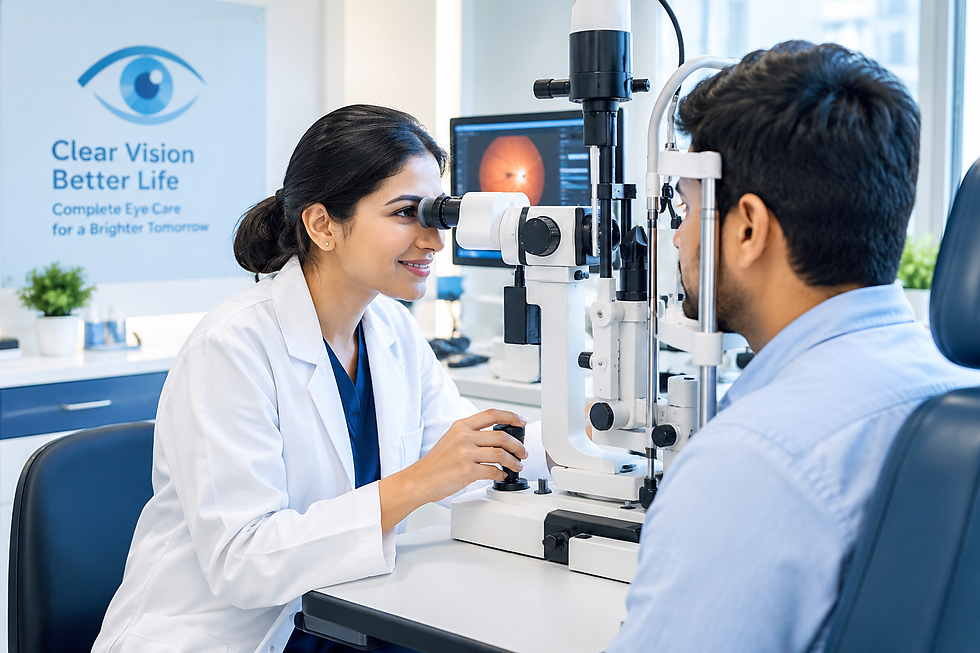
An eye-pressure measurement alone cannot confirm or rule out glaucoma. An ophthalmologist generally uses several tests to evaluate the optic nerve, measure eye pressure, and assess vision
1. Tonometry: Measuring Eye Pressure
Tonometry measures intraocular pressure. Depending on the method, the test may involve a small instrument that gently touches the eye after numbing drops or a device that measures pressure using a puff of air the test is quick and usually painless Although high pressure is an important warning sign, some people develop glaucoma despite having pressure within the statistically normal range. Therefore, tonometry should be considered alongside other examination findings
2. Dilated Eye Examination
During a dilated examination, special eye drops widen the pupils so the doctor can examine the optic nerve more clearly the ophthalmologist looks for changes in the optic nerve's appearance that may indicate glaucoma-related damage this examination is particularly valuable because optic nerve changes may appear before noticeable symptoms develop.
3. Optical Coherence Tomography (OCT)
OCT is an advanced imaging test that creates detailed cross-sectional images of structures inside the eye It can measure the thickness of the retinal nerve fibre layer and other structures around the optic nerve. These measurements help doctors identify damage and monitor changes over time OCT is often an important part of modern glaucoma assessment, although results must be interpreted alongside the clinical examination
4. Visual Field Test
A visual field test measures how well you can see objects in different areas around your central line of sight during the test, you look at a target and indicate when you notice small lights appearing in different positions. The results help identify blind spots or areas of reduced peripheral vision Repeated tests can help doctors determine whether glaucoma is progressing
5. Gonioscopy
Gonioscopy allows the doctor to examine the drainage angle inside the eye. This helps distinguish between open-angle and angle-closure glaucoma The test uses a specialized contact lens and is particularly important when assessing the risk of angle closure
6. Pachymetry: Measuring Corneal Thickness
Pachymetry measures the thickness of the cornea, the clear front surface of the eye Corneal thickness can influence the interpretation of eye-pressure measurements and help the ophthalmologist assess overall glaucoma risk Together, these tests provide a more complete picture of eye health and help guide an appropriate treatment plan
What Are the Treatment Options for Glaucoma?
The primary goal of glaucoma treatment is to reduce the risk of further optic nerve damage. Treatment is selected according to the type of glaucoma, eye pressure, disease severity, and the patient's overall eye health.
1. Glaucoma Eye Drops
Prescription eye drops are often the first treatment for open-angle glaucoma. They work by reducing fluid production inside the eye, improving fluid drainage, or using a combination of both mechanisms Different classes of medication are available, including prostaglandin analogues, beta-blockers, and other pressure-lowering medicines Your ophthalmologist will choose the most suitable medication based on your individual needs and medical history For treatment to work effectively, the drops must be used exactly as prescribed. Missing doses or stopping medication without medical advice may allow eye pressure to rise again
2. Laser Treatment
Laser procedures can help lower eye pressure in selected patients Selective laser trabeculoplasty (SLT) improves fluid drainage in many people with open-angle glaucoma and may be offered as an initial treatment or alongside eye drops Laser peripheral iridotomy is commonly used for appropriate cases of angle-closure disease. It creates a small opening in the iris to help improve fluid circulation and reduce the risk of certain angle-closure attacks Laser treatment does not restore vision already lost to glaucoma, and additional treatment or monitoring may still be necessary
3. Glaucoma Surgery
If eye drops and laser treatment do not adequately control the disease, surgery may be recommended Procedures such as trabeculectomy, glaucoma drainage devices, and selected minimally invasive glaucoma surgeries aim to improve fluid drainage or reduce eye pressure The choice of surgery depends on the severity and type of glaucoma, previous treatments, and the patient's individual circumstances Like all surgical procedures, glaucoma surgery has potential risks and requires careful postoperative follow-up
4. Regular Monitoring
Glaucoma treatment does not end when eye pressure improves. Regular monitoring is necessary because the disease can progress even when pressure readings appear satisfactory Your ophthalmologist may repeat pressure measurements, OCT scans, optic nerve examinations, and visual field tests to determine whether the treatment is working If further damage occurs, the target eye pressure or treatment plan may need to be adjusted
Can Glaucoma Be Cured Completely?
At present, there is no established cure that reverses the optic nerve damage caused by glaucoma. However, the disease can often be managed effectively with medication, laser procedures, surgery, and ongoing monitoring The purpose of treatment is to preserve the vision you still have and reduce the likelihood of future vision loss Some patients require treatment for the rest of their lives. Others may need changes in their treatment plan as the disease progresses or their eye health changes It is important not to stop glaucoma medication simply because your vision feels normal. The absence of symptoms does not mean the disease has disappeared
How Can You Reduce Your Risk of Glaucoma-Related Blindness?
Although glaucoma cannot always be prevented, you can take practical steps to improve the chances of early detection and protect your vision First, arrange comprehensive eye examinations at intervals recommended by your ophthalmologist, particularly if you are older, have a family history of glaucoma, or have other risk factors Second, follow your prescribed treatment schedule. If eye drops cause irritation or are difficult to use, tell your doctor rather than discontinuing them independently Third, attend follow-up appointments even when you feel that your eyesight has not changed. Monitoring can identify damage that is difficult to notice in everyday life Fourth, inform your doctor about all medicines you use, including steroid eye drops, tablets, inhalers, and other prescribed treatments. Never stop a prescribed steroid medicine without consulting the clinician who manages it Finally, seek emergency care if you develop sudden severe eye pain, a red eye, blurred vision, halos around lights, nausea, or vomiting. These symptoms may indicate acute angle-closure glaucoma, which requires immediate treatment to reduce the risk of permanent vision loss.
When Should You Visit an Eye Hospital?
You should arrange a comprehensive eye examination if you have a family history of glaucoma, have been told that your eye pressure is high, or notice changes in your peripheral vision If you have already been diagnosed with glaucoma, continue regular follow-ups even if your vision remains stable Sudden severe eye pain, redness, halos, blurred vision, headache, or nausea require urgent medical evaluation rather than a routine appointment At Drishticare Advanced Eye Hospital, patients can consult an eye-care professional for an appropriate assessment of their symptoms and individual eye-health needs. The correct combination of examination, testing, and treatment can help identify glaucoma and manage the risk of further vision loss
Frequently Asked Questions (FAQs)
1. Can glaucoma cause permanent blindness?
Yes. Glaucoma can permanently damage the optic nerve and cause irreversible vision loss Early diagnosis and appropriate treatment can help slow the disease and preserve remaining vision
2. Can glaucoma blindness be reversed?
Vision already lost because of optic nerve damage from glaucoma generally cannot be restored. Treatment aims to prevent or slow additional damage
3. What is the first warning sign of glaucoma?
Open-angle glaucoma often has no noticeable early warning signs. Peripheral vision loss may develop gradually, which is why routine eye examinations are essential
4. Can glaucoma occur without high eye pressure?
Yes. Normal-tension glaucoma can damage the optic nerve even when eye pressure is within the usual statistical range
5. Is glaucoma treatment lifelong?
Many patients require long-term treatment and monitoring. Your ophthalmologist will determine the most appropriate schedule based on your condition and response to treatment.
6. Which test is best for detecting glaucoma?
No single test is sufficient in every case. Eye-pressure measurement, optic nerve examination, OCT, visual field testing, and other assessments may be combined to establish a diagnosis
7. At what age should I get tested for glaucoma?
There is no single age that applies to everyone. The appropriate starting age and frequency depend on individual risk factors, family history, and examination findings. People at increased risk may need earlier or more frequent evaluations
8. Can glaucoma affect both eyes?
Yes. Glaucoma often affects both eyes, although the severity and rate of progression may differ between them
Conclusion
Glaucoma is a serious eye disease because it can cause permanent blindness without producing noticeable symptoms in its early stages. Once optic nerve damage occurs, the lost vision generally cannot be recovered. However, early detection, appropriate treatment, and consistent monitoring can make a substantial difference in preserving eyesight Do not wait until you notice vision loss to take action. If you have risk factors for glaucoma or have not had a comprehensive eye examination, speak with an ophthalmologist about when you should be tested Protect your vision before symptoms appear. Early diagnosis and timely treatment are among the most effective ways to reduce the risk of glaucoma-related blindness For more information about glaucoma diagnosis, treatment, and preventive eye care, consult an eye-care professional at Drishticare Advanced Eye Hospital
If you want to know more details contact us:+91 96 25 903017


Comments